Rabu, 25 Juni 2025

20 best plants for aquaponics www.treehugger.com

Opening: Your Guide to Building a DIY Aquaponics System Interested in a sustainable way to grow your own food while raising fish? An aquaponics system combines aquaculture (raising aquatic animals) and hydroponics (growing plants without soil) in a symbiotic environment. This step-by-step guide will walk you through building a basic DIY aquaponics setup. This is a simplified, small-scale system perfect for beginners.
Step 1: Planning and Gathering Materials Before you begin, it's crucial to plan the size and location of your system. A good starting point is a small system that you can later expand. Here's what you'll need:
  • A fish tank (approx. 20-50 gallons)
  • A grow bed (should be roughly equal in volume to the fish tank; a plastic storage tote works well)
  • A submersible water pump (rated for the height difference between the fish tank and grow bed)
  • Grow media (clay pebbles are a popular choice)
  • Plumbing fittings (tubing, connectors, and a siphon)
  • Air pump and air stone (for oxygenating the fish tank)
  • Seeds or seedlings (leafy greens like lettuce and herbs are ideal for beginners)
  • Fish (goldfish or tilapia are common beginner-friendly options)
  • Water test kit (for monitoring pH, ammonia, nitrites, and nitrates)
Step 2: Setting Up the Fish Tank Start by placing your fish tank in a stable, well-lit location, but avoid direct sunlight to prevent excessive algae growth. Add dechlorinated water to the tank. Dechlorination is essential as chlorine is toxic to fish. Install the air pump and air stone to provide adequate oxygen to the water. Allow the tank to cycle for several weeks before adding fish. This cycling process allows beneficial bacteria to colonize, which are crucial for converting fish waste into nutrients for your plants.
Step 3: Preparing the Grow Bed Position the grow bed above the fish tank. Ensure it is level and stable. Line the grow bed with a pond liner if it's not already watertight. Rinse the clay pebbles thoroughly to remove any dust or debris. Fill the grow bed with the rinsed grow media.
Step 4: Connecting the Plumbing Connect the submersible water pump to the bottom of the fish tank. Run tubing from the pump to the grow bed. This will pump nutrient-rich water from the fish tank to the grow bed. Install a bell siphon (or use an alternative timer-based flood and drain system) in the grow bed to automatically drain the water back into the fish tank. The bell siphon creates a flood-and-drain cycle, which is important for providing oxygen to the plant roots.
Step 5: Starting the System Once the plumbing is connected, test the system by running the pump and observing the flood-and-drain cycle. Make sure the siphon is functioning correctly and that the water is draining back into the fish tank efficiently. Adjust the pump flow rate if necessary.
Step 6: Introducing Fish and Plants After the fish tank has cycled (monitor water parameters with your test kit), gradually introduce a small number of fish. Monitor their behavior closely. Once the system is stable, you can plant your seeds or seedlings in the grow media. Be gentle when planting, and make sure the roots are properly covered.
Step 7: Monitoring and Maintenance Regular monitoring is crucial for a successful aquaponics system. Test the water parameters (pH, ammonia, nitrites, nitrates) regularly. Adjust the pH if necessary using pH adjusters specifically designed for aquaponics. Feed the fish daily with high-quality fish food. Remove any dead leaves or debris from the system. Periodically flush the grow bed to remove excess solids.
Conclusion: Enjoy Your Homegrown Aquaponics Produce Congratulations! You've built your own DIY aquaponics system. With proper maintenance and monitoring, you'll be able to harvest fresh vegetables and herbs while providing a healthy environment for your fish. This is a simplified setup, and there are many ways to expand and improve upon it as you gain experience. Remember to research and adapt the system to your specific needs and environment. Happy growing!

20 Best Plants For Aquaponics

20 best plants for aquaponics www.treehugger.com

Everything You Need To Know About Aquaponics

Everything you need to know about aquaponics sensiseeds.com

5.3 Mitigating Climate Change And Increased Food Security Through

5.3 mitigating climate change and increased food security through ohiostate.pressbooks.pub
Read More..

Minggu, 22 Juni 2025

High medium low meter icon vector for graphic design, logo, website, social media, mobile app www.vecteezy.com

```html
Opening
Embark on a rewarding DIY project by crafting your own low-light red aquarium plant setup! This guide will walk you through the process of creating a thriving environment for these captivating aquatic plants, adding a touch of vibrant color to your tank without demanding high-intensity lighting.
Materials You'll Need
Before you begin, gather the following materials:
  • An aquarium tank (size depends on your preference)
  • Aquarium substrate (preferably one rich in nutrients, like aquasoil)
  • Low-light red aquarium plants (e.g., Ludwigia repens, Rotala rotundifolia, Alternanthera reineckii)
  • Aquarium filter
  • Aquarium heater (if necessary, depending on the plants' temperature requirements)
  • Aquarium light (specifically designed for low-light planted tanks)
  • Optional: CO2 injection system (for enhanced growth, but not strictly required)
  • Optional: Liquid fertilizer
  • Aquascaping tools (tweezers, scissors)
Step-by-Step Instructions
  • Step 1: Tank Preparation: Thoroughly clean your aquarium tank. Rinse the substrate to remove any dust or debris.
  • Step 2: Substrate Placement: Spread the substrate evenly across the bottom of the tank, creating a layer at least 2-3 inches thick. You can slope the substrate slightly from back to front for a more visually appealing aquascape.
  • Step 3: Equipment Installation: Install the aquarium filter and heater according to the manufacturer's instructions. Ensure the filter is properly positioned to provide adequate water circulation. Place the heater in a location where it won't directly contact plants or substrate.
  • Step 4: Plant Placement: Carefully plant your low-light red aquarium plants using aquascaping tweezers. Plant them individually, spacing them appropriately to allow for growth. Consider the mature size of each plant when deciding on placement. Group similar species together for a more natural look.
  • Step 5: Water Filling: Slowly fill the tank with dechlorinated water. Avoid disturbing the substrate and newly planted plants. You can place a plate or bowl on top of the substrate while filling to minimize disturbance.
  • Step 6: Lighting Installation: Install the low-light aquarium light above the tank. Set a timer to provide a consistent photoperiod of 6-8 hours per day. Start with a shorter photoperiod initially and gradually increase it as the plants acclimate.
  • Step 7: Initial Monitoring: Monitor the water parameters (pH, ammonia, nitrite, nitrate) regularly during the first few weeks. Perform regular water changes (25-50% weekly) to maintain water quality.
  • Step 8: Optional CO2 and Fertilization: If you choose to use CO2 injection, install the system and adjust the CO2 levels to a safe range for your plants and fish (if you plan to add fish). Begin adding liquid fertilizer according to the manufacturer's instructions, starting with a lower dose and gradually increasing as needed.
  • Tips for Success
    • Choose plants specifically labeled as "low-light" varieties.
    • Provide adequate water circulation to prevent algae growth.
    • Regularly trim your plants to maintain their shape and encourage bushier growth.
    • Adjust the lighting and fertilization based on the plants' growth and appearance.
    • Research the specific needs of each plant species to ensure optimal conditions.
    Conclusion
    Creating a low-light red aquarium plant setup is a fulfilling project that adds beauty and tranquility to your home. With proper planning, patience, and regular maintenance, you can enjoy a thriving underwater world filled with vibrant red hues. Remember to monitor your tank closely and adjust your care routine as needed to ensure the health and happiness of your aquatic plants.
    ```

    Flo Rida

    Flo rida music.youtube.com

    High Medium Low Meter Icon Vector For Graphic Design, Logo, Website, Social Media, Mobile App

    High medium low meter icon vector for graphic design, logo, website, social media, mobile app www.vecteezy.com

    Low , Meaning Of Low , Definition Of Low , Pronunciation Of Low

    Low , meaning of low , definition of low , pronunciation of low www.youtube.com
    Read More..

    Sabtu, 21 Juni 2025

    Aquaponics-the future farm interestingengineering.com

    Opening: Unveiling the Magic of Aquaponics A DIY Guide
    Interested in growing your own fresh produce and raising fish sustainably? Aquaponics, a fascinating combination of aquaculture (raising fish) and hydroponics (growing plants without soil), offers a unique and rewarding approach. This guide will walk you through building a small-scale DIY aquaponics system, perfect for beginners and small spaces. Let's embark on this exciting journey!
    Step 1: Gathering Your Aquaponics Arsenal Essential Materials
    Before diving into the construction, it's crucial to have all the necessary materials at hand. Here's a list of what you'll need:
  • Fish Tank: A durable plastic tank, 20-50 gallons is a good starting size.
  • Grow Bed: A container to hold your growing medium. A plastic storage bin or repurposed container works well. Choose one approximately the same size or slightly larger than your fish tank.
  • Water Pump: A submersible pump to circulate water between the tank and grow bed. Choose a pump with a flow rate appropriate for your system size (check pump specifications).
  • Grow Media: Clay pebbles (hydroton) or lava rock are excellent choices for supporting plant roots.
  • Plumbing: Tubing or PVC pipe to connect the tank and grow bed. Fittings (elbows, connectors) will also be required.
  • Air Pump & Air Stone: To provide oxygen for the fish.
  • Fish: Choose fish suitable for aquaponics, such as tilapia, goldfish, or koi (depending on your climate and legal regulations).
  • Seeds or Seedlings: Select plants that thrive in aquaponic systems, like lettuce, herbs, or strawberries.
  • Siphon (Optional but Recommended): An auto-siphon (bell siphon or U-siphon) helps with flood-and-drain cycles in the grow bed. If not using a siphon, ensure your pump is on a timer.
  • pH Testing Kit: To monitor the pH levels of your water.
  • Tools: Drill, saw (if cutting PVC pipe), measuring tape, and a marker.
  • Step 2: Constructing Your Aquaponic Foundation Building the System
    Now, let's put everything together:
  • Prepare the Grow Bed: Drill holes in the bottom of the grow bed for drainage. If using a siphon, install it now according to the siphon's instructions.
  • Connect the Plumbing: Connect the water pump in the fish tank to the grow bed using tubing or PVC pipe. Ensure the tubing reaches the bottom of the grow bed, near the siphon if you're using one. Another tube drains from the growbed, back to the fish tank.
  • Position the Grow Bed: Place the grow bed above the fish tank so the water can drain back into the tank via gravity. You might need to use stands or supports to elevate the grow bed.
  • Add Grow Media: Rinse the clay pebbles or lava rock thoroughly to remove dust and debris. Fill the grow bed with the clean grow media.
  • Set Up the Air System: Place the air stone in the fish tank and connect it to the air pump. This provides essential oxygen for your fish.
  • Step 3: Priming the System Testing and Water Chemistry
    Before introducing fish and plants, it's crucial to cycle the system:
  • Fill the Tank: Fill the fish tank with dechlorinated water.
  • Cycle the System: Add a small amount of ammonia to the tank to start the nitrogen cycle. The bacteria that convert ammonia into nitrates (plant food) need time to establish. Test the water daily for ammonia, nitrites, and nitrates. This process can take several weeks. You know the system is cycled when ammonia and nitrite levels consistently read zero, and you have detectable nitrate levels.
  • Monitor pH: Maintain a pH level between 6.0 and 7.0 for optimal plant growth and fish health. Use pH adjusting solutions as needed.
  • Step 4: Introducing Life Fish and Plants
    Once the system is cycled and the water parameters are stable, it's time to introduce life:
  • Acclimatize the Fish: Slowly introduce the fish to the tank water. Float the bag containing the fish in the tank for about 30 minutes to equalize the temperature. Gradually add tank water to the bag before releasing the fish.
  • Plant Your Crops: Plant your seeds or seedlings in the grow media. Gently secure them, ensuring the roots are covered but not too deep.
  • Step 5: Nurturing the Ecosystem Maintenance and Care
    Maintaining a healthy aquaponics system requires regular attention:
  • Monitor Water Parameters: Regularly test the water pH, ammonia, nitrite, and nitrate levels. Adjust as needed to maintain optimal conditions.
  • Water Changes: Perform partial water changes (10-20%) every few weeks to remove excess nutrients and maintain water quality.
  • Clean the Tank: Occasionally clean the fish tank to remove algae and debris.
  • Feed the Fish: Provide the fish with a high-quality fish food.
  • Prune Plants: Prune the plants regularly to encourage growth and prevent overcrowding.
  • Check the Pump and Siphon: Ensure the water pump and siphon (if using) are functioning properly. Clean them regularly to prevent clogs.
  • Conclusion: Harvesting the Fruits (and Vegetables!) of Your Labor
    Congratulations! You've successfully built your own DIY aquaponics system. With consistent care and attention, you'll be enjoying fresh, homegrown produce and healthy fish in no time. Aquaponics is a continuous learning process, so don't be afraid to experiment and adapt your system to optimize its performance. Happy growing!

    Building An Aquaponics Farm For Orphans In Mexico — Emattan

    Building an aquaponics farm for orphans in mexico — emattan www.emattan.org

    Aquaponics-the Future Farm

    Aquaponics-the future farm interestingengineering.com

    History Tv18

    History tv18 www.historyindia.com
    Read More..

    Sabtu, 27 Maret 2021


    Browse 207 aquaponics stock photos and images available, or search for aquaponics fish to find more great stock photos and pictures. explore {{searchview.params.phrase}} tilapia swim in an experimental aquaponics farm in a project called the plant in chicago on june 21 2012 urban farming is being taken to new heights.... Find & download free graphic resources for aquaponics. 90+ vectors, stock photos & psd files. free for commercial use high quality images. Aquaponics stock photos by radiantskies 5 / 266 filey iceberg lettuce picture by boonsom 5 / 152 growing lettuce in an aquaponics greenhouse pictures by nightfrost 6 / 479 hydroponic vegetables farm stock images by boonsom 2 / 47 romaine lettuce plantation stock photography by boonsom 1 / 65 planting hydroponics pictures by rocharibeiro 1 / 29 hydroponics method stock photographs by narongcp 1.


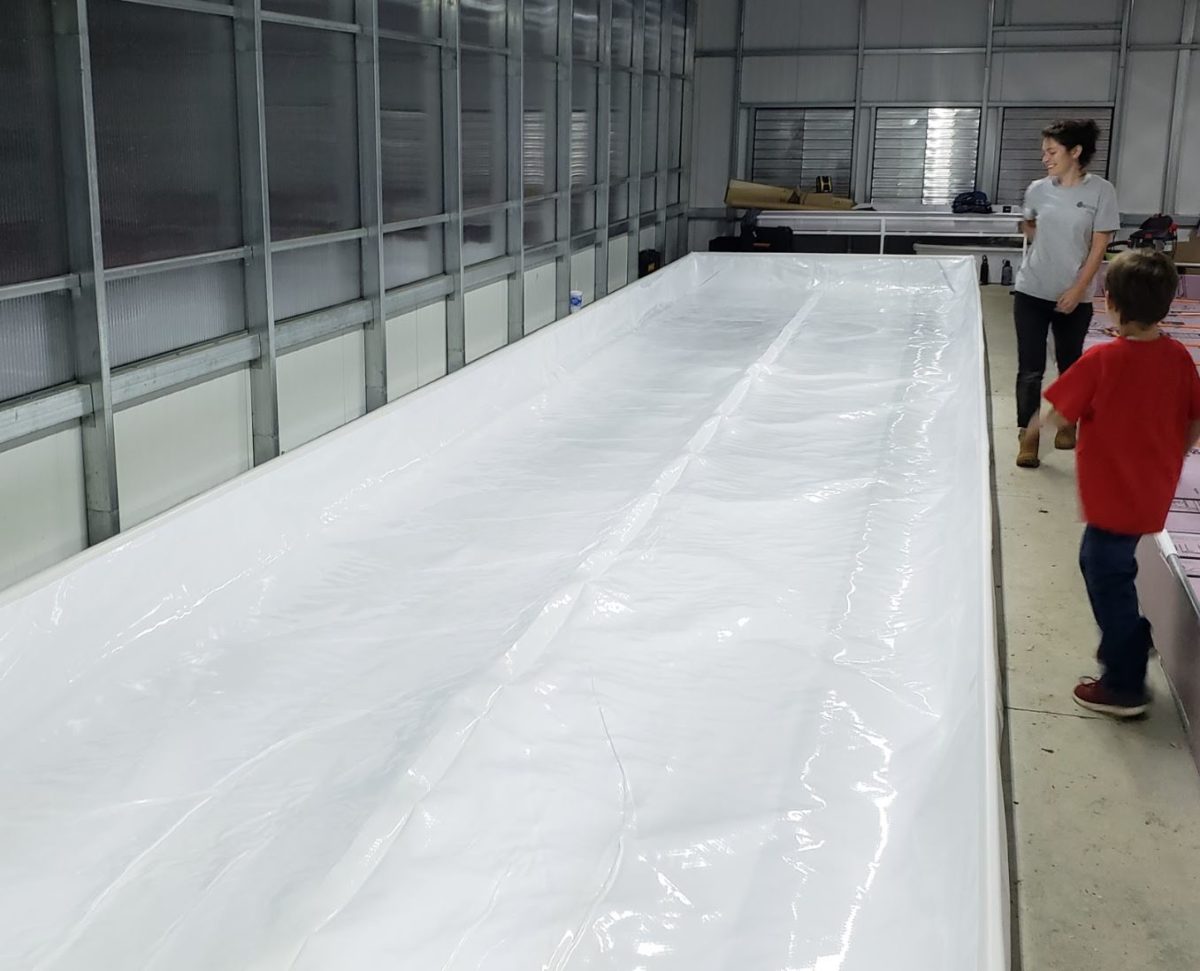
    Dura-Skrim Liner – 12′ Width | The Aquaponic Source


    Dura-skrim liner – 12′ width | the aquaponic source


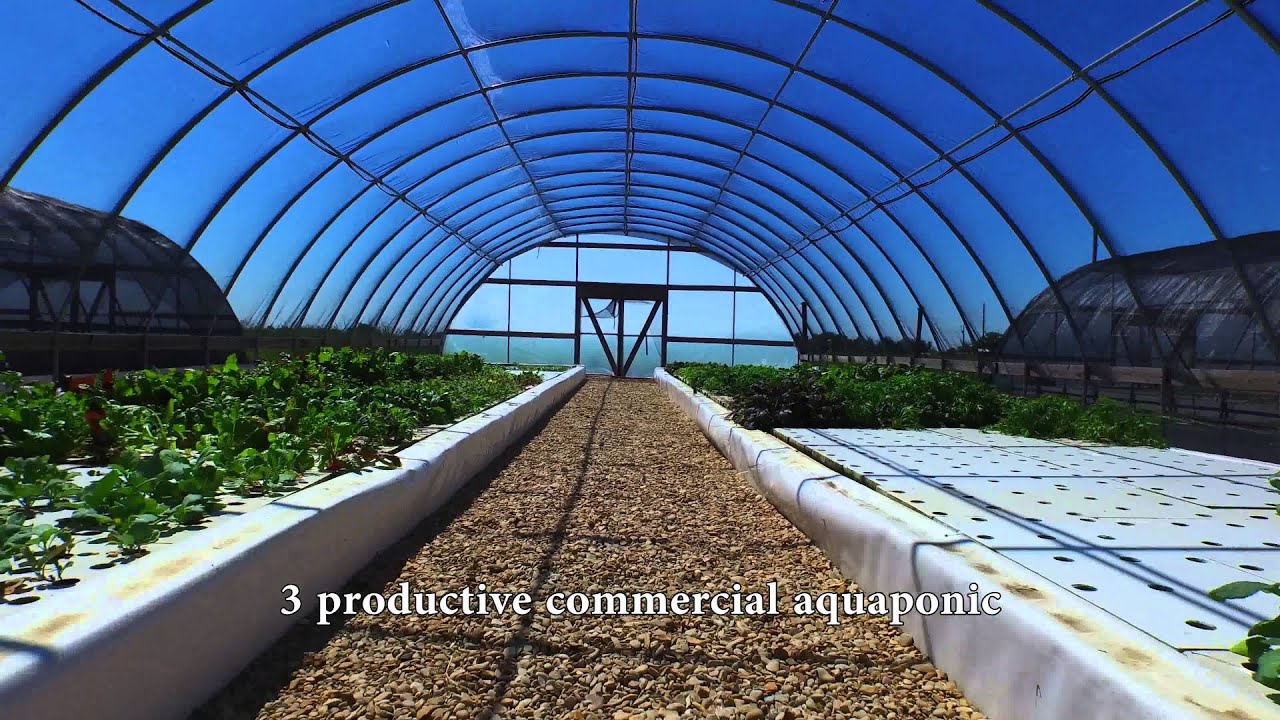
    Commercial Aquaponics Farm For Sale in Milam County, Texas ...


    Commercial aquaponics farm for sale in milam county, texas


    What You Can Grow in a Portable Farm


    What you can grow in a portable farm


    Aquaponics stock photos by radiantskies 5 / 266 filey iceberg lettuce picture by boonsom 5 / 152 growing lettuce in an aquaponics greenhouse pictures by nightfrost 6 / 479 hydroponic vegetables farm stock images by boonsom 2 / 47 hydroponic fillie iceburg leaf lettuce vegetables plantation in aquaponics system stock photo by boonsom 1 / 14 planting hydroponics pictures by rocharibeiro 1 / 49. Download 188 aquaponic stock photos for free or amazingly low rates! new users enjoy 60% off. 135,388,101 stock photos online.. Farm pictures getting ready to move. farm pictures getting ready to move. aquaponic lynx llc. farming and helping families grow food. comments by email posts. aquaponic home. aquaponics in detail; water testing; useful diagrams; sept 2011 aquaponic plumbing class; 2012 aquaponic plumbing class; store;.


    Read More..


    Aquaponics (/ ˈ æ k w ə ˈ p ɒ n ɪ k s /) refers to a food production system that couples aquaculture (raising aquatic animals such as fish, crayfish, snails or prawns in tanks) with hydroponics (cultivating plants in water) in a symbiotic environment whereby the nutrient rich aquaculture water is fed to hydroponic grown plant, involving nitrifying bacteria for converting ammonia into nitrates.. Aquaponics is similar to hydroponics in the way that plants are grown in water, and is grown in a protected environment that is free of pesticides. aquaponics uses nutrients from fish that help the plants grow naturally faster and cleaner. as an added bonus, this technique saves 90% of the water used in traditional agriculture.. “aquaponics is the cultivation of fish and plants together in a constructed, re-circulating ecosystem utilizing natural bacterial cycles to convert fish wastes to plant nutrients..


    Nanotechnology May Lead To The End Of Laundry Forever ...


    Nanotechnology may lead to the end of laundry forever


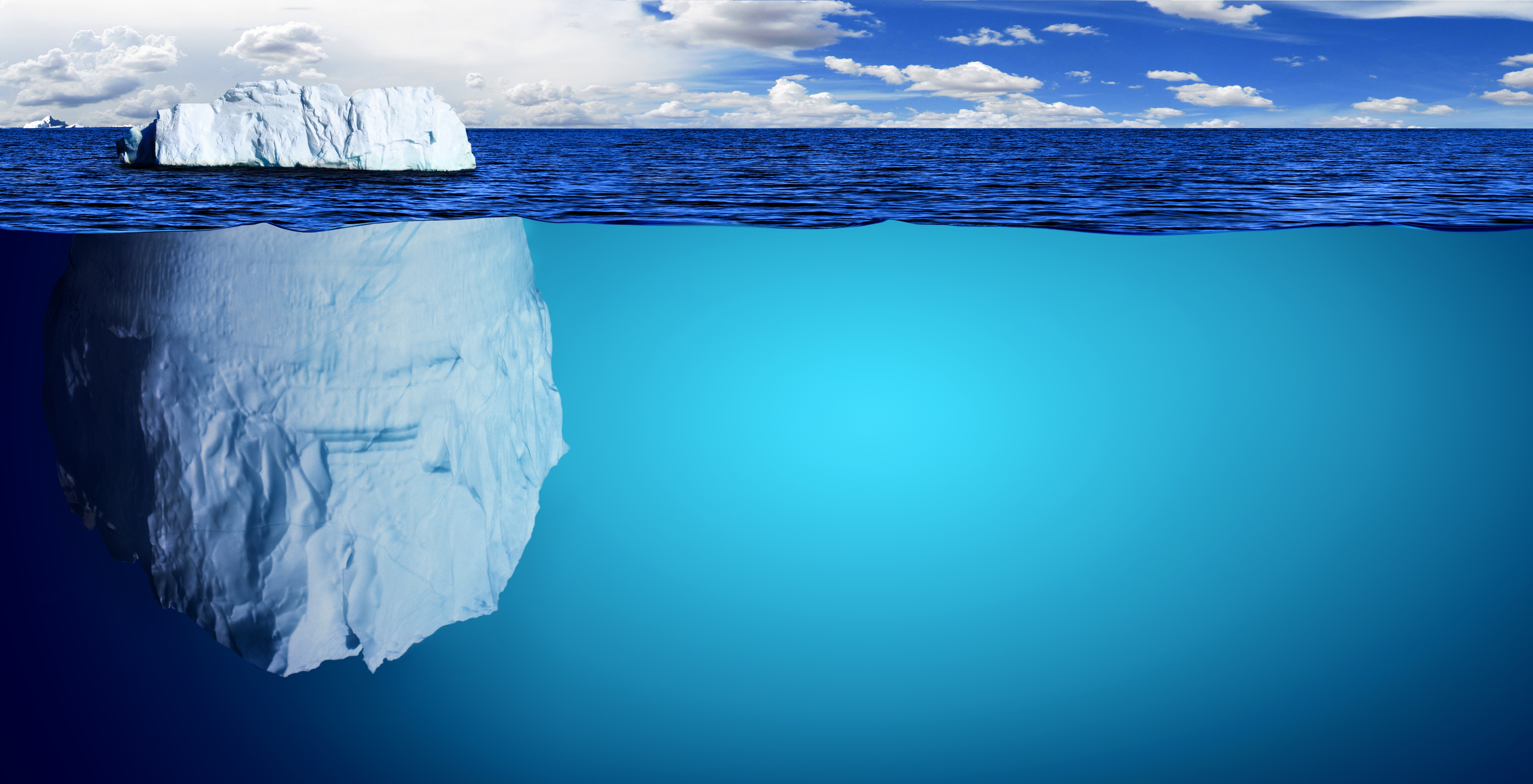
    The Power Below The Surface – You Are So Much More Than ...


    The power below the surface – you are so much more than


    Senate Document 43: Proof That You Do Not Legally Own Any ...


    Senate document 43: proof that you do not legally own any


    Aquaponics is the combination of aquaculture (raising fish) and hydroponics (the soil-less growing of plants) that grows fish and plants together in one integrated system. hydroponics is a method of growing plants without using soil (i.e., soil-less).. Aquaponic systems use 10 percent of the water used by traditional agriculture. water is never lost or dumped; instead, water from the aquaculture system is fed to a hydroponics system where the by-products of the fish are broken down by bacteria into nitrates which the plants use as nutrients.. Aquaponics is a form of agriculture in which vegetables, fruits and herbs are grown in a soil-less system. it is a way of growing food which has substantial advantages over any other form of agriculture, be it in soil, hydroponics or other forms. the word aquaponics is a portmanteau of aqua culture and hydro ponics..


    Read More..

    Jumat, 26 Maret 2021


    For you to succeed in taking care of the crops and the fish, you need to get the right aquaponics kit systems. the systems contain two units, an aquarium for the fish and a grow bed for the crops. the plants grow without soil which means that they grow hydroponically with their roots hanging into the water.. Best aquaponic aquarium kits. while the diy route promises fun and education, it is better to invest in an aquaponic kit to make the processes easier and less messy. some of our favorite kits include: 1. aquasprouts garden. this kit comes as a self-sustaining aquarium and aquaponics system for your home or office.. The ecoqube mini aquaponics kit is different from the others as it focuses more on the fish instead of the plants. its whole goal is to use the benefits of an aquaponics system to effectively and effortlessly clean and maintain the fish tank by having the plant clean the water..


    Home and School Systems • Nelson & Pade Aquaponics


    Home and school systems • nelson & pade aquaponics


    Greenhouse Aquaponics: The Grow Beds


    Greenhouse aquaponics: the grow beds


    Energy-Efficient Aquaponics Greenhouses | Ceres Greenhouse


    Energy-efficient aquaponics greenhouses | ceres greenhouse


    We have plant care kits available to help you better manage your aquaponics system. our cycling startup kits (standard essentials kit or deluxe kit) and our seed startup kit are great tools to help you succeed with aquaponics. in addition we offer many individual product items to help with your food growing success.. Growasis elevated modular raft systems bring your floating aquaponic or hydroponic garden up to a comfortable working height. raft systems are extremely scalable and can be connected to almost any aquaculture, aquaponic or hydroponic system. available in 2′, 4′, 6′ or 8′ widths. lengths begin at 8′ and can be expanded in 4′ increments..


    Read More..


    Included with the course is the complete aquaponics guide—over 200 pages of aquaponic basics, system start up, cycling, plant and fish management, insect and disease control, water quality, 30 pages of construction drawings and material/vendor lists to construct a farm system. plus design drawings and step by step instructions to build your. The regular student rate for the 3-day farming course is $995.00. if more then one person attends from the same group (farm or family), the rate is $945.00 per student—$50 savings off the regular rate. interested in financing this course with no money down, no payments and 0% interest for 6 months? check out our special financing option.. We want our students to get as much as possible from their time in the 3-day course. because every class has attendees at different levels of aquaponic knowledge and experience, we often tailor the course curriculum to fit the attendees. the bases of the course curriculum is designed to prepare students to manage and operate an aquaponic farming business..


    Deep Water Culture Raft Boards - 5 Pack | The Aquaponic Source


    Deep water culture raft boards - 5 pack | the aquaponic source


    Home | The Aquaponic Source


    Home | the aquaponic source


    Garden Aquaponics Courses - Bioaqua Farm


    Garden aquaponics courses - bioaqua farm


    Can you tell me how much revenue my aquaponic farm can generate? unfortunately no, as no one can accurately do that without knowing your market conditions, climate or what crops you intend to grow. there’s several variables when determining the potential viability of a farm business.. Study aquaponic farming to grow fish and vegetables together, in an urban farm, rural farm or home garden; learning about aquaculture and hydroponics with self paced distance education at home. course code. Aquaponics allows you to grow your own edible fish, vegetables and herbs together in a natural recirculating ecosystem that uses far less water than soil based gardening. you can grow your own food year round right in your own home, backyard greenhouse, garage, basement, wherever!.


    Read More..